Case study | Dungannon Golf Club, County Tyrone
How Dungannon Golf Club drove £160,000+ of membership value in its first six months

“Six months ago we were hoping golfers would find us. Now there’s something running every day that brings them in, and we can see exactly what’s working, and what’s not. That’s new for us.”
At a glance
Figures cover 16 March to 31 August 2026. Sources at the end of this page.
01 The club
A great local club that wasn’t being seen
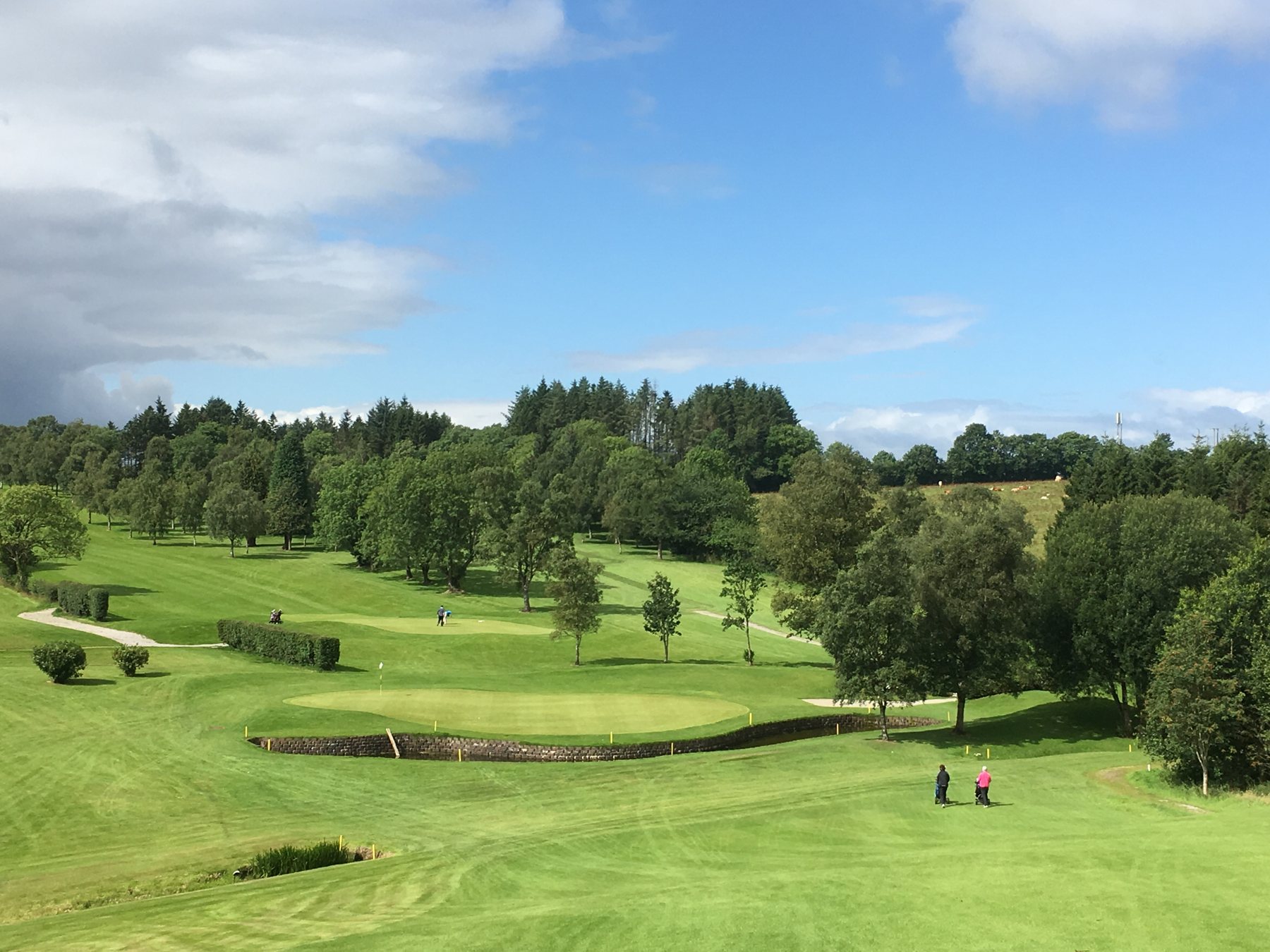
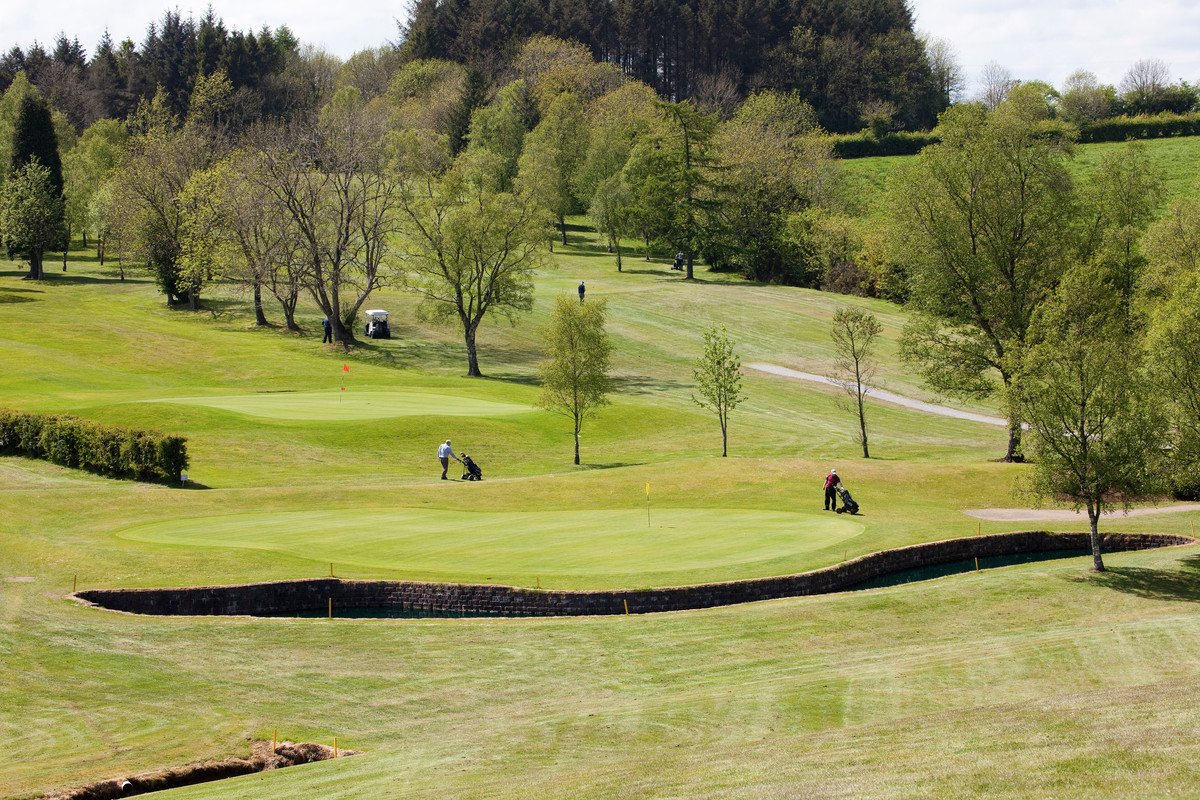
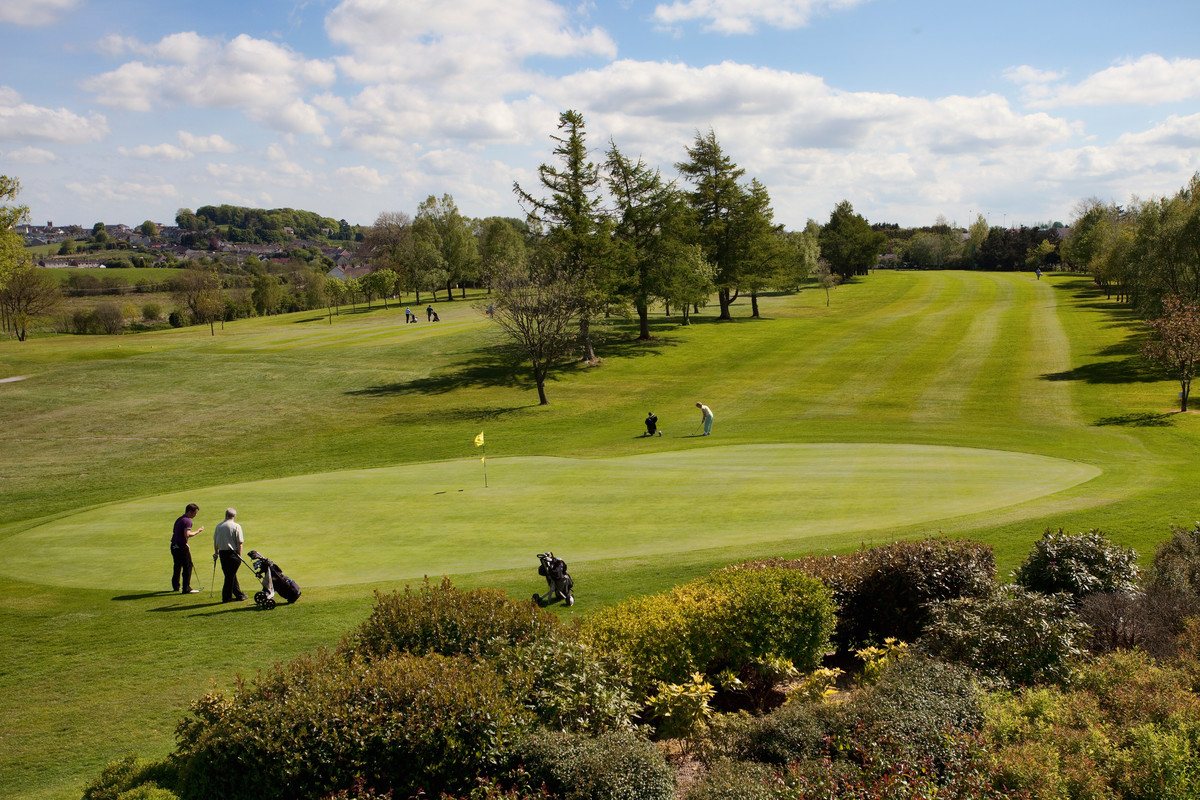
Dungannon Golf Club is an 18-hole parkland course on the edge of the County Tyrone town, designed by Darren Clarke and Patrick Merrigan. A Founder Member of the Golfing Union of Ireland, it was named Best Golf Club in Northern Ireland in 2019 and draws its members from roughly 20km around.
Wallace McCarroll is the General Manager, and every message that leaves the club goes out under his name. Sabrina Bernhardt works in the office and handles every application from first contact to first payment. Behind them sits a volunteer council including Noel Gormley as Honorary Secretary and Alison Chestnutt, who runs marketing and social media.
The hard part was never running the club. It was keeping it in front of local golfers, month after month, with nobody who had the time to own that.
02 The brief
What the club actually asked for
Membership had slipped over a couple of years, and the council wanted to build it back up. But the brief was never just “bring us more members”. Three conditions came with it.
Reach golfers the club wasn’t reaching
Consistently, rather than in bursts
Don’t lean on volunteers
They already have full-time jobs
Know what to expect, and see it working
Month by month
“It’s important for us to understand what we can expect and then how it is performing.”
03 What stood in the way
A year-round job, done in spare hours.
“We’d send something out when there was a spare hour, then nothing for weeks. There was no rhythm, no coordination and not much long-term strategy to any of it.”
Thousands of local golfers on file, rarely contacted
Over 4,000 golfers sat in the club’s records: former members, one-time visitors, society organisers, old enquiries. Every one of them knew the club existed, and almost none of them heard from it. All of it was held in line with GDPR.
Enquiries answered, but not converted
Enquiries were replied to, but not within minutes while interest peaked, not pointed towards the right membership, and not followed up when the timing wasn’t right yet.
No way to reach golfers who weren’t looking yet
Member referrals are still the most successful channel for 55% of UK members’ clubs.5 But referrals only travel as far as the existing membership. Reaching the golfer who hasn’t thought about switching is the harder job.
The intent was there. The time and the tools were not.
04 What we built
What we built, and what it asks of the club
In March 2026 the club handed its membership marketing to Digital Caddie AI. Not a hands-off arrangement, and not more software for Sabrina to learn: somebody to own the whole process, from first impression to paid member.
Live inside a week
Ads, tracking, automation and the enquiry system were running within days of sign-off. The first enquiries came in on day one.
What it asks of the club
Sabrina handles applications as she always has, and every Friday the club hears what happened and what’s next. Nothing else lands on anyone’s desk.
Always-on local advertising
Ads run year-round across the catchment, in front of local golfers whether they’re thinking about membership today or not. AI tests creative and audiences, and shifts budget towards what works.
A reply in minutes, shaped by the golfer
A few quick questions decide what comes back, so a seven-day enquiry and a 22-year-old get different emails. It goes out under Wallace’s name within minutes.
The club’s own database, put to work
Every contact was cleaned and split into seven groups, from former members to young golfers. Each hears from the club close to weekly, with content written for that group.
Every enquiry tracked to its outcome
The hottest enquiries are flagged to the club each week, and every application is logged and dated, so the club can see which enquiry became which member.
Reporting the council can question
Every Friday the club sees what ran, what it cost and what came in. No black box, no marketing language, and any number is open to challenge.
The aim was never one strong month. It was to build something the club would still be running next season, and the one after.
05 The results
What six months produced

“It’s been steady the whole way through, and we’re reaching golfers we’d never have got to on our own. The younger ones especially will be with us for years.”
Every one of the 16 new members traced back to the system, on top of everything the club brings in through referrals and word of mouth. How they arrived is the useful part for any club reading this.
06 Why it worked
Where the new members came from
40,000 local golfers now know the club exists
Before March, a golfer a few miles away could go years without seeing the club. Most won’t join this year, but every membership starts with knowing you’re there.
The club can see where its members come from
Every member traces back to an ad, an email or a call. Anything without that trail is credited to the club. Next season’s budget is a decision, not a guess.
An unused database became a top channel
Over 11,000 emails in six months, clicked at four times the 2% average.4 The strongest hit 16%, and four of the 16 new members came straight out of it.
Faster replies, better conversations
Nearly 27% of enquirers click the first reply, against around 5% for automated emails.4
Golfers look around before they commit
Over 60% of clicks go to the membership page and almost one in five to a course walkthrough. Fewer than one in ten go straight to apply.
The ads got cheaper the longer they ran
Enquiries came in at under £4 each, against a sector average of around £23.2 By August, an enquiry cost a tenth of what it did in early summer.
Close to £10,000 a member
Tenure at established private clubs averages around nine years.3 At roughly £1,120 a year in subscriptions, bar and pro shop spend, that is close to £10,000 a member.
Two things the club didn’t know in March
Seven-day membership outperformed five-day by 70%, which reshaped the ads within weeks. And six under-18s applied through the 18-24 category, a sign of young demand nearby.
07 What the club has now
An engine the club can point anywhere
The new members matter. What matters more is the system that produced them, and it keeps running.
Last year, reaching local golfers meant Wallace or Alison finding time to write something and hoping it landed. Today the club has a standing presence across its catchment, an audience of thousands who hear from the club almost every week, creative proven against real results, follow-up that runs whether anyone is at a desk or not, and a weekly read on what is working.
It isn’t only for memberships. It can be pointed at whatever the club needs next.
- A membership push in January, when golfers decide where to play next season
- A society and corporate day push in March, aimed at organisers
- Visitor and green fee promotion whenever the tee sheet looks quiet
- Winter offers, open days and events, to an audience that already knows the club
- Retention and renewal messaging to the members it brought in
None of that needs a new supplier, a new budget cycle or a new build. The audience exists, the system runs, and the club decides where to point it.

“The new members are welcome. The bigger change is that we’ve got something we can keep using. Whatever we need to put in front of local golfers next, it’s there.”
A campaign ends. This keeps working.
A campaign gives a club a good month and leaves it where it started. This one gets sharper the longer it runs.

What comes next
If this sounds familiar
Most of the clubs we speak to are where Dungannon Golf Club was. A database nobody has time to use. Enquiries arriving with no plan to convert them. New members joining, and no reliable way of saying why.
It shows in where the money goes. In 2025, 92% of UK members’ clubs invested in their course and 63% in the clubhouse. Just 19% invested in marketing.5
Standing still has a price too. Every member who leaves and isn’t replaced costs the club around £1,120 a year, and close to £10,000 over the time they’d have stayed.3
None of that is fixed by advertising harder, or by a short burst that leaves nothing behind. It’s fixed by connecting what the club already has, running it consistently, and having somebody own it for the long run.
Where these numbers come from
All club figures cover 16 March to 31 August 2026 and are drawn from Meta Ads Manager, the club’s email platform reporting and Dungannon Golf Club’s own application records.
- 1
Return on advertising spend. Total value of the 16 traced members, measured against media spend only: a 10,900% return, or £109 for every £1.
- 2
Cost per enquiry benchmark. Meta lead generation campaigns in the fitness and membership sector average around $30 per lead, roughly £23, against a cross-industry average of about $42. 2026 industry benchmark data, converted to sterling at prevailing rates.
- 3
Per-member value and tenure. Attrition at established private golf clubs typically runs between 6% and 12% a year. At 11%, average tenure works out at around nine years, which is the figure used here. Annual value combines subscription income with bar, pro shop and food spend, consistent with the club’s own working figures.
- 4
Email and response-time benchmarks. Campaign click rates are measured against MailerLite’s 2025 benchmark of approximately 2%, drawn from 3.6 million campaigns. The club’s figure of around 8% covers every campaign email sent between 16 March and 31 August 2026, excluding one send where automated link-checking inflated clicks. The enquiry response email, which is automated, is measured against Omnisend’s 2025 average of 4.66% for automated emails.
- 5
Marketing channels and investment. Member referrals were the most successful marketing activity for 55% of members’ clubs, ahead of social media (49%) and email campaigns (23%). 92% of members’ clubs invested in their course in 2025, 63% in the clubhouse and 19% in marketing. Hillier Hopkins Members’ and Proprietary Golf Clubs’ Survey 2025/26.
Published with the agreement of Dungannon Golf Club. No member data is included.